
When it comes to choosing a knife, the debate between fixed blade vs folding knife designs has been going strong for decades. Both styles have earned their place in the pockets, packs, and toolkits of outdoor enthusiasts, tradespeople, and everyday carry users. But which one is right for you?
The answer depends on how you plan to use your knife. A fixed blade knife offers unmatched strength and reliability for demanding outdoor tasks, while a folding knife provides compact portability and discretion for daily carry. Understanding the key differences between these two knife styles will help you make an informed decision that matches your lifestyle and needs.
In this comprehensive guide, we’ll break down the strengths and limitations of each design, compare their features side-by-side, and help you determine which knife deserves a place in your gear. Whether you’re preparing for a backcountry adventure or simply want a reliable everyday tool, we’ll cover everything you need to know about the fixed blade vs folding knife debate.
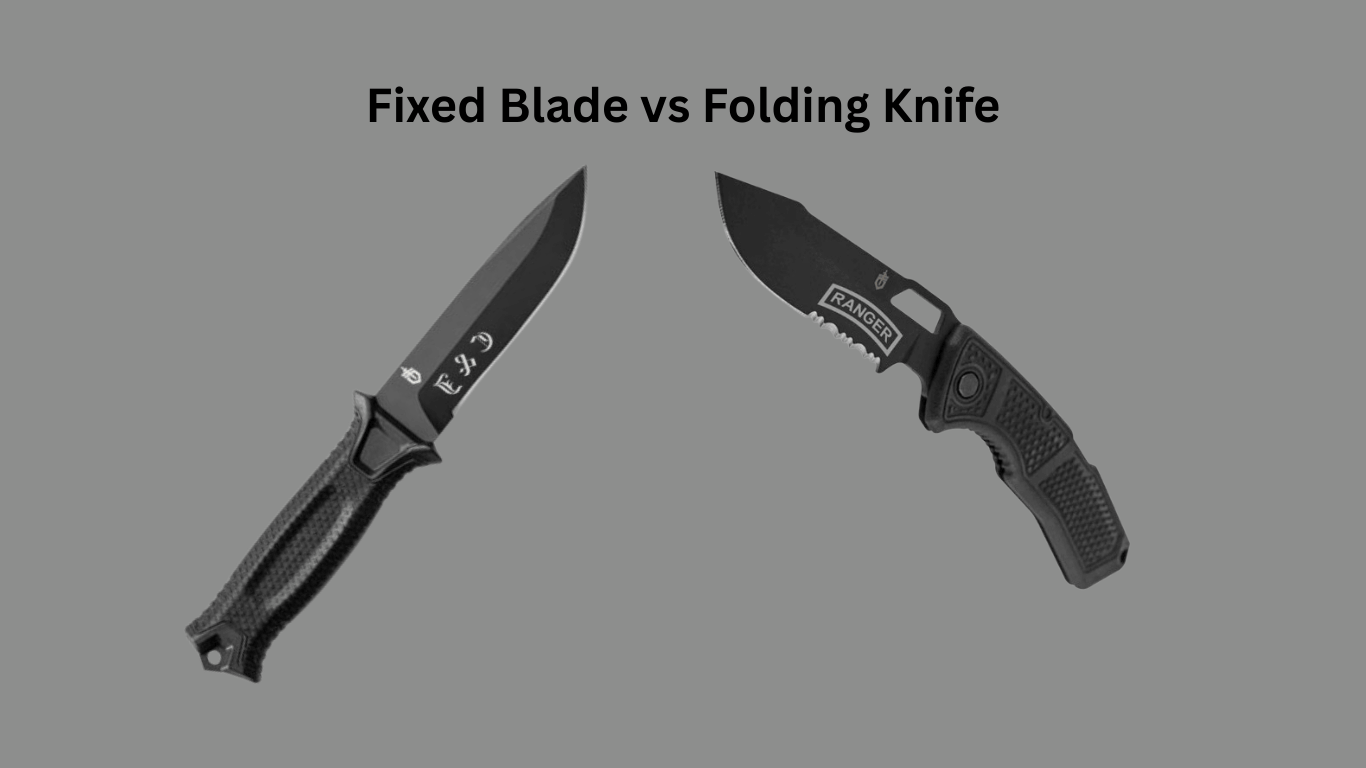
Understanding Fixed Blade Knives
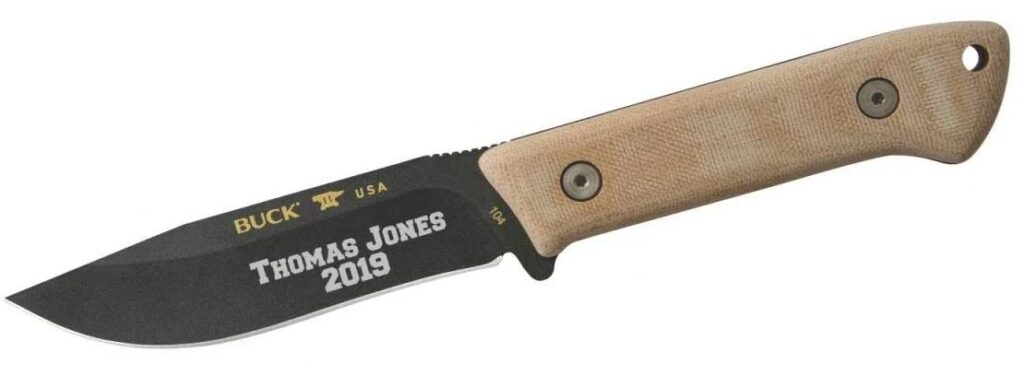
A fixed blade knife is exactly what it sounds like: a knife with a blade that remains in a fixed, open position. Unlike folding knives, there are no hinges, pivots, or locking mechanisms. The blade extends directly from the handle in one continuous piece, typically featuring full-tang construction where the blade metal runs through the entire length of the handle.
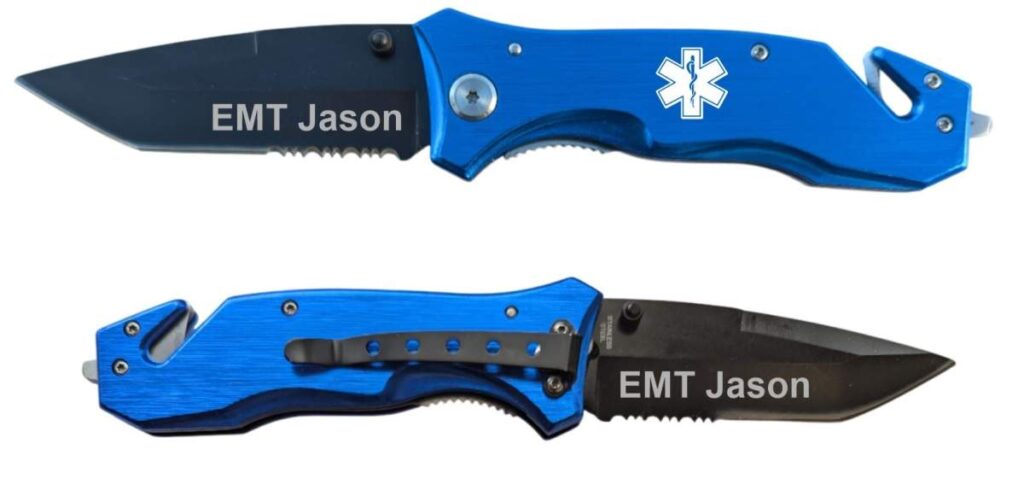
This simple, time-tested design has been trusted by hunters, survivalists, military personnel, and outdoor professionals for centuries. Emergency responders who also need a dependable tool that won’t fail under pressure get personalized rescue and EMS knives for a specialized option.
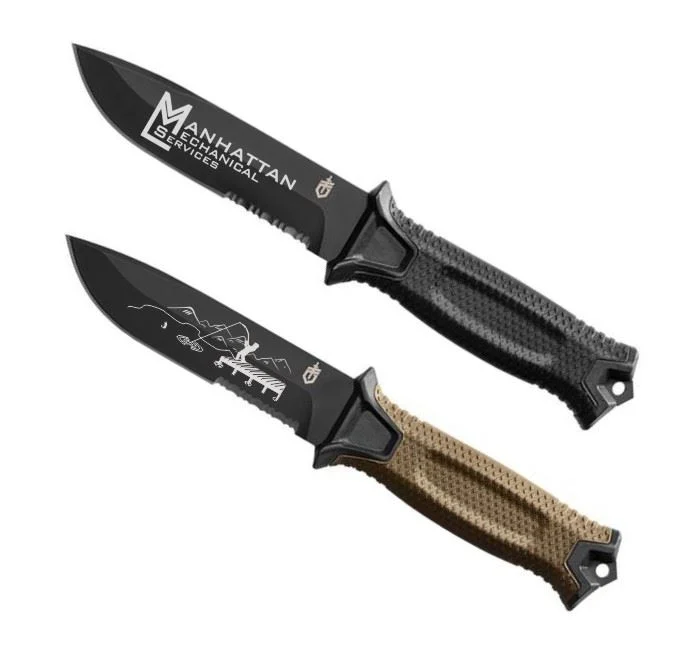
What Fixed Blade Knives Do Well
Fixed-blade knives excel in situations where strength and dependability are paramount. Their solid construction makes them the go-to choice for heavy-duty cutting tasks.
- Unmatched Strength and Durability: Without moving parts or folding mechanisms, fixed blades are incredibly robust. The full-tang construction creates a knife that can handle batoning (splitting wood by striking the spine), chopping, prying, and other demanding tasks without risk of mechanical failure. They’re built to take punishment that would destroy a folding knife.
- Instant Deployment: There’s no fumbling with locks or one-handed opening techniques. A fixed blade can be drawn from its sheath and put to work immediately, a critical advantage in emergency situations, self-defense scenarios, or when working with gloves in cold weather.
- Easy Maintenance: The simple design means fewer parts to clean, lubricate, or maintain. Dirt, debris, and moisture won’t gum up moving parts because there aren’t any. A quick wipe-down and occasional sharpening keep a fixed blade in top condition.
- Superior for Heavy-Duty Tasks: Whether you’re field dressing game, processing firewood, clearing brush, or performing survival tasks, a fixed blade’s strength and leverage make it the superior choice. The custom hunting knives available at Lazer Designs are perfect examples of fixed blades built for serious outdoor work.
- More Comfortable for Extended Use: Fixed blade handles can be longer and more ergonomically shaped without worrying about folding mechanisms. This makes them more comfortable during prolonged cutting tasks.
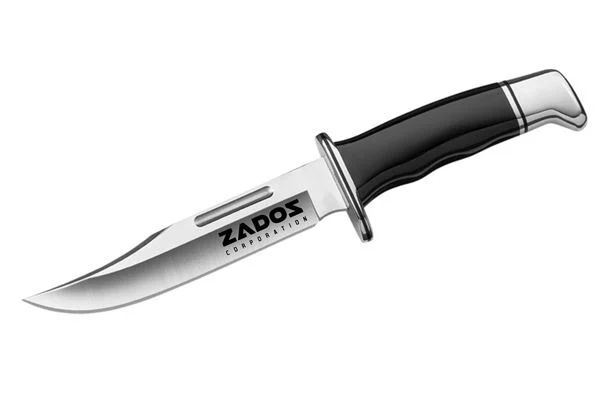
What Fixed Blade Knives Aren’t So Great At
Despite their strengths, fixed blades come with practical limitations that make them less suitable for certain situations.
- Bulky and Less Portable: A fixed blade requires a sheath for safe carry, making it significantly bulkier than a folding knife. You can’t simply slip it into your pocket; it needs to be worn on your belt, strapped to your pack, or carried in a dedicated location.
- Less Discreet: The size and carry method make fixed blades far more visible and conspicuous than folders. In urban environments or professional settings, a fixed blade on your belt can draw unwanted attention or make others uncomfortable.
- Legal Restrictions: Many jurisdictions have stricter regulations on fixed-blade knives, particularly regarding blade length and carry methods. What’s legal to carry as a folding knife might be prohibited as a fixed blade in the same location.
- Limited Everyday Utility: For routine tasks like opening packages, cutting cord, or basic utility work, a fixed blade can feel like overkill. The need for a sheath makes quick access less convenient for frequent, light-duty use.
Understanding Folding Knives
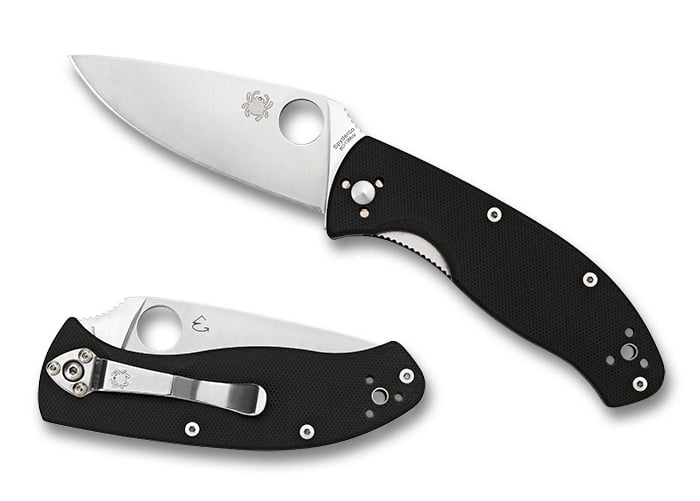
A folding knife features a blade that pivots on a hinge and folds into the handle when not in use. This collapsible design has made folders the most popular choice for everyday carry, offering a practical balance of functionality and portability that fits seamlessly into modern life.
From simple slip-joint designs to sophisticated locking mechanisms, folding knives come in countless variations. Modern folders often include additional features like pocket clips, one-handed opening, and even multiple tools integrated into the handle.
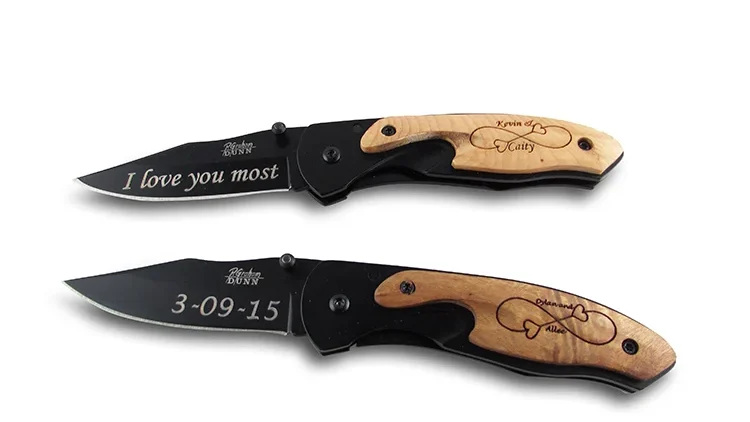
What Folding Knives Do Well
Folding knives have earned their popularity through practical advantages that make them perfect for daily carry and general use.
- Compact and Portable: The ability to fold makes these knives incredibly pocket-friendly. Most folders measure just 3-4 inches when closed, easily slipping into a pocket, purse, or small gear pouch without taking up much space or adding significant weight.
- Discreet and Socially Acceptable: A folding knife in your pocket doesn’t draw attention. In urban environments, professional settings, or social situations, a folder allows you to carry a useful tool without making others uncomfortable or appearing overly tactical.
- Safer to Carry: With the blade tucked safely inside the handle, there’s minimal risk of accidental cuts when reaching into your pocket or bag. This makes folders ideal for everyday carry where you’re frequently accessing other items.
- Often Legal Where Fixed Blades Aren’t: Many jurisdictions permit folding knives with blades under 3-4 inches in places where fixed blades are restricted or prohibited. This makes folders more versatile for those who travel or work in different locations.
- Convenient for Frequent Use: The pocket clip and compact size mean your knife is always accessible for quick tasks, opening packages, cutting tags, trimming loose threads, or handling the countless small cutting jobs that pop up throughout the day. Our personalized pocket knives are perfect examples of everyday carry folders.
- Variety of Features: Modern folders often include additional tools, different blade styles, assisted opening mechanisms, and customization options that make them highly versatile.
Folding knives are ideal for:
- Everyday carry enthusiasts who want a practical tool always within reach
- Urban professionals who need utility without drawing attention
- Travelers who want a legal, packable knife for general use
- Commuters who appreciate pocket-friendly tools
- Office workers and tradespeople handling routine cutting tasks
- Anyone prioritizing convenience over maximum strength
- Gift-givers looking for personalized, practical presents. You can explore our custom laser-engraved knives for unique options!
What Folding Knives Aren’t So Great At
The convenience of folding knives comes with inherent compromises in strength and reliability.
- Moving Parts Can Fail: Pivots, locks, and springs are potential failure points, especially under heavy stress or after extended use. Dirt, debris, and moisture can gum up the mechanism, causing the knife to open sluggishly or lock improperly.
- Less Durable Under Stress: The hinge point creates a weak spot that limits how much force you can safely apply. Heavy chopping, prying, or batoning tasks can damage the locking mechanism or even break the knife entirely.
- Slower Deployment: Even with assisted opening or thumb studs, deploying a folder takes longer than drawing a fixed blade. In high-stress situations or when wearing gloves, fumbling with the opening mechanism can be a significant disadvantage.
- Requires More Maintenance: Folders need regular cleaning, lubrication, and adjustment to keep them functioning smoothly. Lint, dirt, and pocket debris accumulate in the pivot area and can affect performance.
- Limited for Heavy-Duty Work: While modern folders are remarkably capable, they’re simply not designed for the kind of hard use that fixed blades handle easily. Attempting heavy-duty tasks with a folder risks damaging the knife or causing it to fail.
Fixed Blade vs Folding Knife: Key Differences at a Glance
At first glance, the choice between a fixed blade vs a folding knife might seem straightforward, but the differences run deeper than just whether the blade folds. These two knife styles represent fundamentally different approaches to blade design, each optimized for specific use cases.
Fixed blades prioritize strength, simplicity, and reliability above all else. They’re built for situations where failure isn’t an option and maximum cutting power is essential. Folding knives, on the other hand, prioritize portability, convenience, and everyday practicality, making compromises in strength to achieve a design that fits seamlessly into daily life.
The right choice depends entirely on your primary use case: Are you preparing for demanding outdoor tasks where reliability matters most, or do you need a convenient tool for everyday situations?
| Feature | Fixed Blade Knife | Folding Knife |
| Blade Length | Typically 4-12+ inches | Typically 2.5-4 inches (closed: 3-5 inches) |
| Weight | Heavier (6-16+ oz depending on size) | Lighter (2-8 oz) |
| Construction | Full-tang, no moving parts | Pivot point, locking mechanism |
| Deployment Speed | Instant, draw and use | Requires opening (1-2 seconds) |
| Strength | Maximum, handles heavy-duty tasks | Moderate, limited by pivot and lock |
| Durability | Extremely durable, fewer failure points | Good, but moving parts can fail |
| Maintenance | Minimal, wipe clean and sharpen | Regular, requires cleaning, lubrication |
| Portability | Bulky, requires sheath | Highly portable, fits in pocket |
| Concealment | Difficult, visible on belt | Easy, discreet pocket carry |
| Legal Status | Often restricted by blade length | Generally more permissible |
| Best For | Survival, hunting, camping, heavy-duty work | EDC, urban carry, general utility |
| Carry Method | Belt sheath, MOLLE attachment, pack strap | Pocket clip, keychain, small pouch |
| Price Range | $30-$300+ | $20-$250+ |
| Customization | Laser engraving on the blade or handle | Laser engraving on the handle or blade |
Detailed Analysis: Fixed Blade vs Folding Knife
Let’s dive deeper into the specific characteristics that set these two knife styles apart and examine how they perform in real-world situations.
Blade Design and Construction
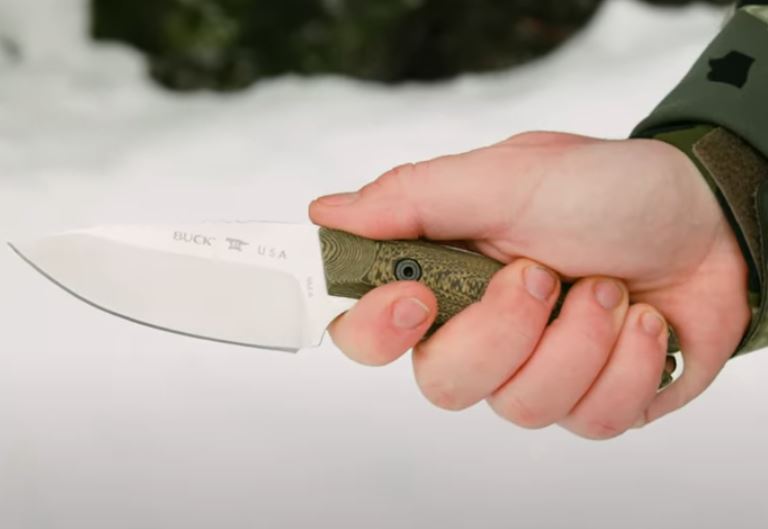
- Fixed Blade Construction: The hallmark of a fixed blade is its one-piece design. Most quality fixed blades feature full-tang construction, where the blade steel extends through the entire length of the handle. Handle scales (usually wood, G10, or Micarta) are then attached to both sides of the tang. This creates an incredibly strong, unified tool with no weak points. The blade geometry can be optimized for specific tasks without worrying about folding mechanisms, whether that’s a thick spine for batoning, a curved belly for skinning, or a drop point for versatility.
- Folding Knife Construction: Folders are engineering marvels that must balance strength with the ability to fold. The blade pivots on a pin or bearing system, with a locking mechanism that secures it in the open position. Modern locking systems, liner locks, frame locks, axis locks, and others, have made folders remarkably strong, but they’ll never match the inherent strength of a fixed blade. The blade must be thin enough to fold into the handle, which limits thickness and overall robustness.
Strength and Reliability
- Fixed Blade Performance: In the fixed blade vs folding knife debate, strength is where fixed blades truly dominate. Without moving parts, there’s nothing to break, bend, or malfunction. You can use a fixed blade for prying (though not recommended), batoning through thick wood, chopping, and other tasks that would destroy most folders. The full-tang construction distributes force throughout the entire knife, making it virtually indestructible under normal use. In survival situations or emergency scenarios, this reliability is invaluable.
- Folding Knife Performance: Modern folders are surprisingly capable, and quality locking mechanisms provide excellent strength for everyday tasks. However, they have inherent limitations. The pivot point creates a weak spot, and excessive lateral force can damage the lock or pivot. Folders excel at slicing, cutting, and controlled tasks but struggle with heavy chopping, prying, or high-impact work. For most daily cutting needs, a folder’s strength is more than adequate, it’s only in demanding outdoor or survival situations where the limitations become apparent.
Deployment Speed and Accessibility
- Fixed Blade Deployment: This is where fixed blades shine in emergency situations. Draw, and you’re ready, no buttons, no thumb studs, no locks to manipulate. In self-defense scenarios, emergency response situations, or when wearing thick gloves, this instant accessibility can be critical. For rescue and EMS professionals, the ability to deploy a knife instantly while managing other tasks is a significant advantage.
- Folding Knife Deployment: Even with assisted opening or flipper mechanisms, folders require at least one extra step. For everyday tasks, this isn’t a problem, you have time to open your knife properly. However, in high-stress situations, cold weather with gloves, or when your hands are occupied, that extra step can be frustrating or even dangerous. Modern one-handed opening designs have minimized this disadvantage, but it’s still a consideration.
Portability and Carry Options
- Fixed Blade Carry: The biggest practical drawback of fixed blades is their bulk. A sheath is mandatory for safety, and that sheath needs to be attached somewhere, your belt, pack strap, or MOLLE webbing. This makes fixed blades less convenient for everyday carry, especially in urban environments. However, for outdoor adventures where you’re already wearing a pack or belt setup, this isn’t a significant issue.
- Folding Knife Carry: Folders win decisively in the portability category. Most feature pocket clips that keep them accessible yet secure, and their compact size means you barely notice them throughout the day. This convenience is why folders dominate the everyday carry market. You can carry a capable knife wherever you go without special equipment or obvious visibility.
Maintenance Requirements
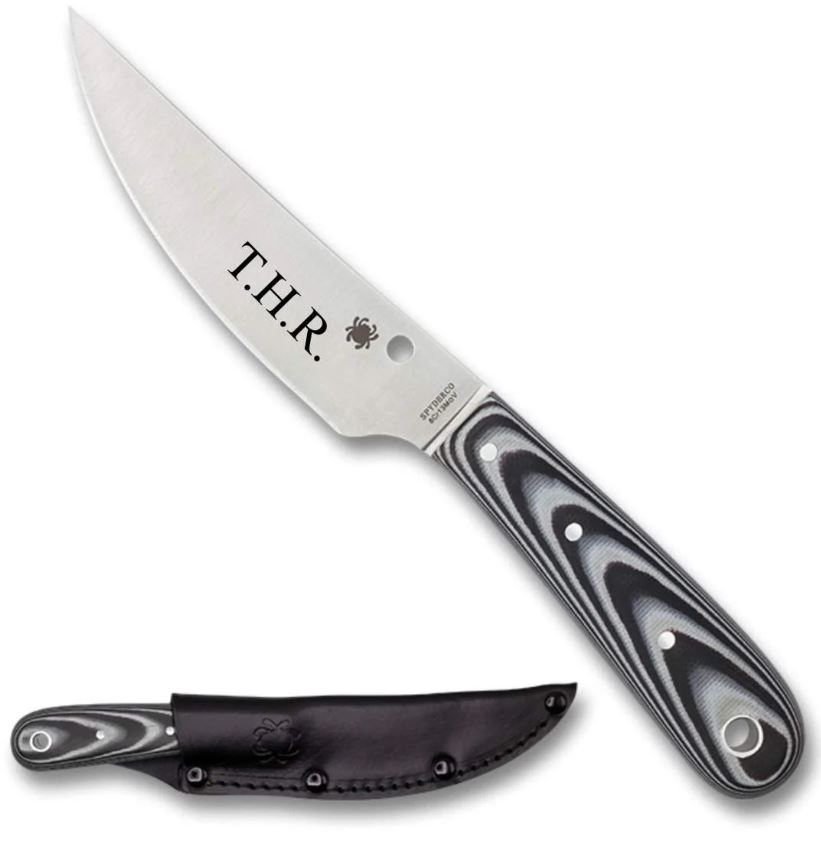
- Fixed Blade Maintenance: Simplicity equals easy maintenance. Wipe your blade clean, dry it thoroughly, occasionally oil the blade to prevent rust, and keep it sharp, that’s essentially it. There are no moving parts to lubricate, no mechanisms to adjust, and no lint to clean out of pivot points. This makes fixed blades ideal for extended outdoor trips where maintenance opportunities are limited.
- Folding Knife Maintenance: Folders demand more attention. The pivot area collects lint, dirt, and debris that must be cleaned out regularly. The pivot screw may need occasional tightening or loosening to maintain smooth action. Locking mechanisms require periodic lubrication, and pocket clips can become loose over time. For users who carry their knife daily, this maintenance becomes routine, but it’s still more involved than caring for a fixed blade.
Legal Considerations
- Fixed Blade Regulations: Many jurisdictions restrict fixed blade knives more heavily than folders, often limiting blade length to 4-6 inches for concealed carry or prohibiting them entirely in certain locations. Urban areas, government buildings, schools, and public transportation often ban fixed blades regardless of size. Before carrying a fixed blade, research your local laws carefully.
- Folding Knife Regulations: Folders generally face fewer restrictions, especially those with blades under 3-4 inches. Many places that prohibit fixed blades still permit folding knives, making folders more versatile for those who travel or work in different jurisdictions. However, assisted-opening and automatic knives face their own restrictions in some areas.
Blade Geometry and Cutting Performance
- Fixed Blade Geometry: Without folding constraints, fixed blades can feature optimal blade geometry for their intended purpose. Hunting knives have thin, sharp edges for precision work. Survival knives feature thick spines and robust tips. Tactical knives balance cutting performance with strength. The blade can be as thick or thin as needed without compromising the design.
- Folding Knife Geometry: The need to fold into the handle limits blade thickness and overall geometry. Most folders feature relatively thin blades optimized for slicing rather than chopping. While this makes them excellent for everyday cutting tasks, it limits their effectiveness for heavy-duty work. The shorter blade length (typically 2.5-4 inches) also affects cutting capacity compared to fixed blades.
Real-World Use Cases: When to Choose Each Style
Understanding the fixed blade vs folding knife debate requires looking at actual scenarios where one clearly outperforms the other.
Choose a Fixed Blade When:
- Survival Situations: When your life might depend on your knife, choose a fixed blade. Building shelter, processing firewood, preparing food, and crafting tools all benefit from a fixed blade’s strength and reliability. There’s a reason survival experts consistently recommend fixed blades.
- Hunting and Field Dressing: The strength needed for field dressing game, processing meat, and handling tough hides makes fixed blades the clear choice. A quality hunting knife makes these tasks significantly easier and safer.
- Heavy Camping Tasks: Batoning firewood, clearing brush, preparing kindling, and general camp chores all favor fixed blades. The ability to apply force without worrying about mechanical failure is invaluable.
- Tactical and Emergency Response: When seconds matter and reliability is critical, fixed blades deliver. Emergency responders, military personnel, and security professionals often carry fixed blades as primary tools.
- Bushcraft and Wilderness Skills: Extended wilderness trips where your knife serves as a primary tool for multiple tasks benefit from fixed blade durability and versatility.
Choose a Folding Knife When:
- Everyday Carry: For daily tasks in urban or suburban environments, opening packages, cutting cord, food preparation, and general utility, folders provide convenient, pocket-friendly functionality.
- Professional Settings: In offices, retail environments, or professional settings where a fixed blade would be inappropriate or alarming, a discreet folder provides utility without drawing attention.
- Travel: When moving through airports, public transportation, or multiple jurisdictions with varying knife laws, a small folding knife is more likely to be legal and acceptable.
- Backup Tool: Many people carry a folder as a general-use tool, saving their fixed blade for specific outdoor activities. This “folder for EDC, fixed blade for the field” approach offers the best of both worlds.
- Gift Giving: Personalized folding knives make excellent gifts for professionals, graduates, and outdoor enthusiasts. They’re practical, appreciated, and can be customized with meaningful engravings.
The Hybrid Approach: Carrying Both
Many experienced knife users don’t choose between a fixed blade vs folding knife; they carry both. This strategy maximizes versatility while minimizing compromises.
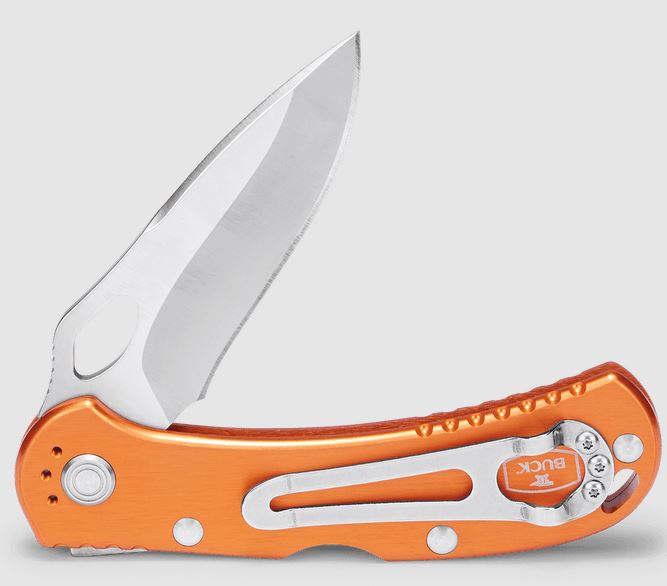
- The EDC Folder + Field Fixed Blade Combination: Carry a compact folding knife for daily tasks and pack a fixed blade for outdoor adventures. This gives you convenient utility for everyday situations and reliable strength when you need it. Your personalized pocket knife handles routine tasks, while your fixed blade stays ready for demanding work.
- The Primary Fixed + Backup Folder Setup: Outdoor professionals and serious adventurers often carry a fixed blade as their primary tool with a small folder as backup. If the fixed blade is lost, damaged, or inaccessible, the folder provides emergency cutting capability.
- The Specialized Approach: Some users carry different knives for different tasks, a fixed blade hunting knife for field dressing, a folding tactical knife for general use, and a small keychain folder for everyday convenience. While this might seem excessive, it ensures you always have the right tool for the job.
Customization and Personalization Options
Both fixed blade and folding knives offer excellent opportunities for personalization through laser engraving, making them meaningful gifts or distinctive personal tools.
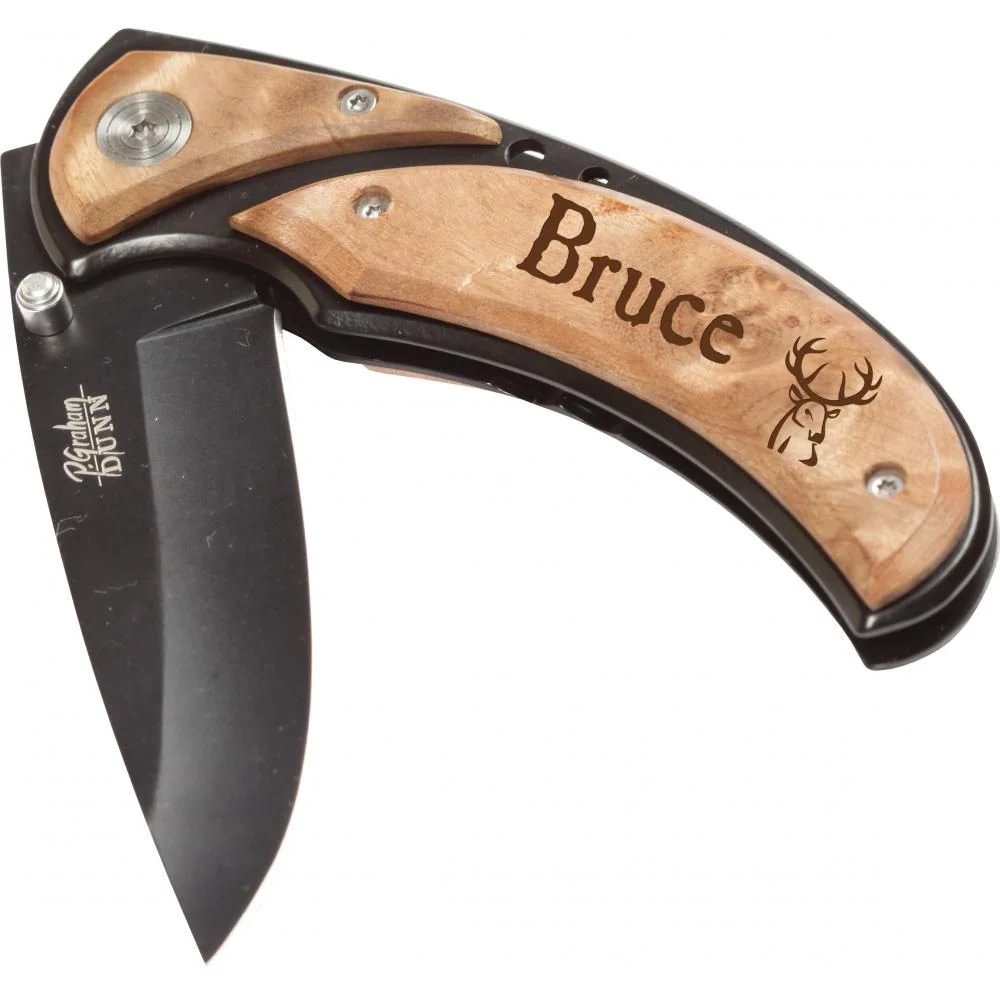
At Lazer Designs, we specialize in creating custom laser-engraved knives that transform quality tools into meaningful keepsakes. Whether you choose a fixed blade or folder, personalization adds sentimental value that makes the knife truly one-of-a-kind.
Making Your Decision: Fixed Blade vs Folding Knife
The fixed blade vs folding knife debate doesn’t have a universal answer; the right choice depends entirely on your specific needs, lifestyle, and intended use. Fixed blades offer uncompromising strength, reliability, and performance for demanding outdoor tasks and survival situations. Folding knives provide convenient, portable utility that fits seamlessly into daily life.
The best approach for most people is understanding what each style does well and choosing accordingly. For everyday carry and general utility, a quality folding knife from our personalized pocket knife collection provides excellent value and convenience. For hunting, camping, or survival situations, a robust fixed blade from our custom hunting knives selection delivers the strength and reliability you need.
Ready to find your perfect blade? Visit Lazer Designs to explore our comprehensive collection of both fixed blade and folding knives. With custom laser engraving options, you can personalize any knife for yourself or create a unique gift that will be treasured for years!